Maximize Your Amazon Sales in 2026: Sponsored Products, Sponsored Brands, and Sponsored Display ExplainedAs Amazon continues evolving in 2026, knowing which advertising options to invest in is crucial for success. Sponsored Products, Sponsored Brands, and Sponsored Display each offer unique advantages, and mastering them can significantly improve your sales performance.
Maximizing Your Amazon Sales in 2026
Amazon remains the dominant e-commerce platform, with over 350 million active customer accounts worldwide in 2026. As competition intensifies, sellers need to leverage the most effective advertising tools to stand out. Understanding how Sponsored Products, Sponsored Brands, and Sponsored Display ads work—and how to integrate them into a cohesive marketing strategy—is essential for maximizing sales and ROI.
An Overview of Sponsored Products, Sponsored Brands, and Sponsored Display
In 2026, Amazon’s advertising suite continues to expand, offering three main ad types that cater to different marketing objectives:
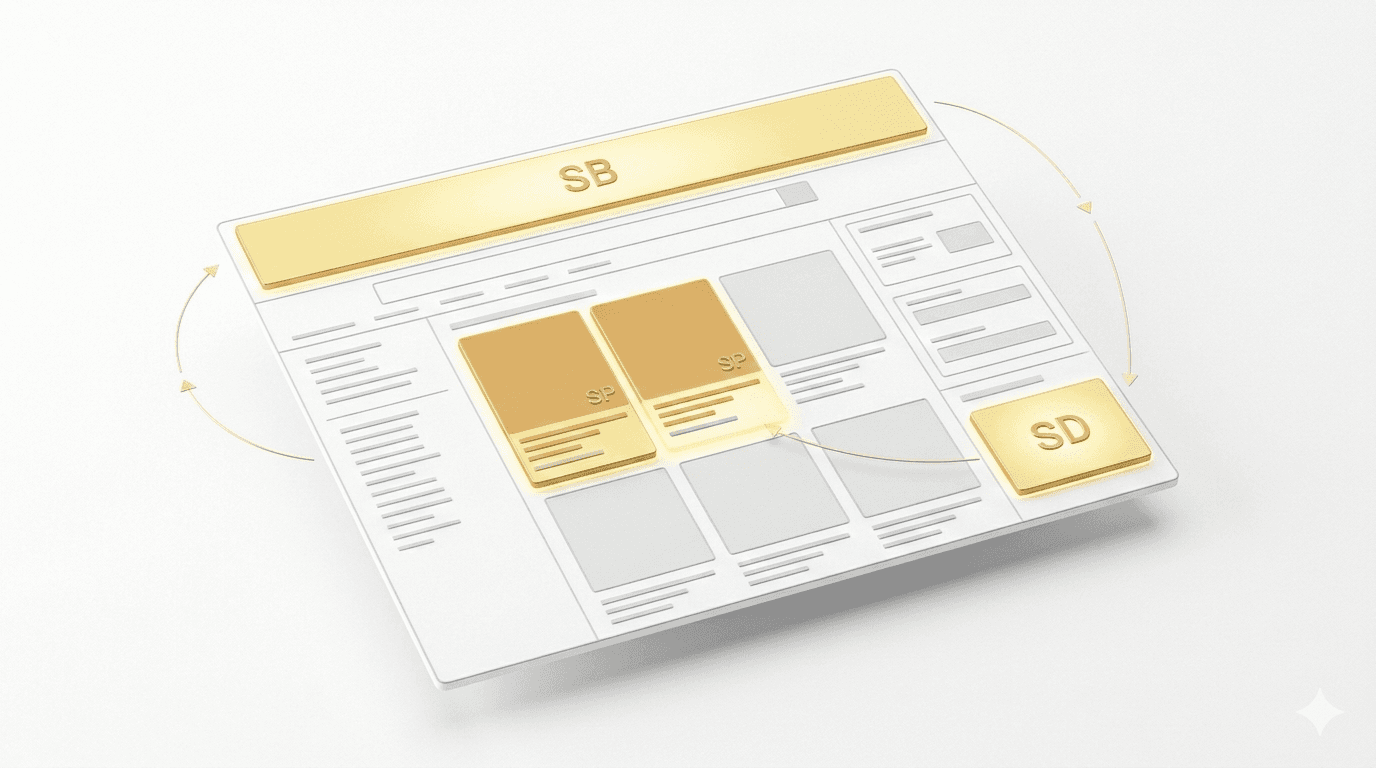
Sponsored Products: Product-specific ads that appear in search results and on product pages.
Sponsored Brands: Brand-centric ads featuring a custom logo, headline, and multiple products.
Sponsored Display: Audience-aware ads that target shoppers beyond Amazon, including remarketing on third-party sites.
Each ad type serves a distinct purpose, and choosing the right mix depends on your specific goals—be it product visibility, brand awareness, or audience engagement.
Sponsored Products
Sponsored Products are the backbone of most Amazon advertising strategies. They are designed to promote individual products and are highly effective in capturing high-intent shoppers. By bidding on relevant keywords, sellers ensure their products appear at the top of search results and on related product pages, increasing the chances of clicks and conversions. In 2026, Sponsored Products continue to dominate in driving direct sales, with over 75% of Amazon ad spend allocated to this format among top sellers.
Sponsored Brands
Sponsored Brands help build brand recognition by featuring a custom image, headline, and up to three products. These ads appear prominently in search results, often above Sponsored Products. They are ideal for brand storytelling and showcasing a portfolio of products, making them particularly useful for brand-building campaigns. In 2026, brands investing heavily in Sponsored Brands report a 30% increase in brand awareness and customer loyalty over two years.
Sponsored Display
Sponsored Display ads leverage Amazon’s extensive shopper data to serve targeted ads both on and off Amazon. They are highly effective for retargeting shoppers who viewed your products but did not purchase, as well as reaching new audiences based on their shopping behavior. In 2026, Sponsored Display has become a go-to tool for remarketing, with a 40% increase in ROI for campaigns utilizing this format.
Benefits of Using Sponsored Products for Product Visibility
Sponsored Products are particularly beneficial for enhancing product visibility and driving immediate sales. Here’s why:
High Intent Placement: Ads appear when shoppers are actively searching for relevant products, increasing conversion likelihood.
Detail Page Presence: Sponsored Products can appear on product detail pages, capturing shoppers who are comparing options.
Keyword Targeting: Precise keyword targeting ensures your ads are shown to the most relevant audience.
Cost-Effective: You control bids and budgets, making it easier to optimize for ROI.
For example, a seller selling eco-friendly water bottles can bid on keywords like “reusable water bottles” or “eco-friendly hydration” to ensure visibility among environmentally conscious shoppers. This targeted approach led many sellers to a 25-35% increase in sales in 2026 compared to previous years.
Leveraging Sponsored Brands to Boost Brand Recognition
While Sponsored Products focus on individual items, Sponsored Brands help create a cohesive brand presence. They are especially useful for new or expanding brands aiming to establish themselves in a competitive market. Benefits include:
Enhanced brand awareness through prominent placement at the top of search results.
Ability to highlight a collection of products, encouraging cross-selling.
Customizable creative that aligns with overall branding efforts.
For instance, a brand offering a range of organic skincare products can use Sponsored Brands to showcase their entire product line, including serums, cleansers, and moisturizers. In 2026, brands that invested in well-crafted Sponsored Brand campaigns saw a 30% boost in overall brand engagement.
Utilizing Sponsored Display for Retargeting and Audience Engagement
Sponsored Display ads excel at reaching audiences beyond Amazon via third-party websites and apps. They enable sellers to retarget shoppers who previously viewed their products or similar products, thereby increasing conversion chances. Key advantages include:
Retargeting visitors who abandoned shopping carts or viewed products without purchasing.
Engaging new audiences based on shopping and browsing behaviors.
Supporting brand awareness by consistently displaying ads across the web.
For example, a seller of fitness trackers can retarget users who checked their product page but did not buy, offering incentives or highlighting reviews to close the sale. By 2026, businesses using Sponsored Display for retargeting have experienced up to a 45% increase in return visits and sales.
Strategies for Integrating All Three Amazon Ad Types Effectively
To truly maximize your Amazon sales in 2026, a strategic combination of Sponsored Products, Sponsored Brands, and Sponsored Display is essential. Here are some effective approaches:
Start with Sponsored Products: Use Sponsored Products to generate immediate visibility for your key listings and gather data on high-converting keywords and audience segments.
Build Brand Presence with Sponsored Brands: Once you have traffic and sales data, switch focus to Sponsored Brands to foster brand recognition and cross-promote multiple products.
Retarget and Expand with Sponsored Display: Use Sponsored Display ads to retarget visitors and to reach new audiences on and off Amazon, nurturing customer relationships beyond the initial contact.
Data-Driven Optimization: Continuously analyze campaign performance, adjusting bids, keywords, and audiences based on real-time insights to maximize ROI.
Seasonal and Promotional Campaigns: Synchronize all three ad formats around key shopping periods, holidays, and promotional events in 2026 to capture peak shopping traffic.
Common Mistakes to Avoid in Amazon Sponsored Campaigns
Despite the power of these ad formats, many sellers make mistakes that hinder their success:
Ignoring Keyword Optimization: Relying on broad or irrelevant keywords reduces ad effectiveness and wastes budget.
Overbidding: Excessive bids can exhaust budgets quickly without proportional returns.
Neglecting Negative Keywords: Not excluding irrelevant searches causes wasted spend and lower performance.
Poor Creative or Messaging: Generic or unappealing ad creatives can fail to attract attention.
Failure to Analyze Data: Not monitoring and adjusting campaigns leads to stagnation and lower ROI.
Planning Your 2026 Advertising Budget on Amazon
Effective budget planning is critical to maximize your advertising impact in 2026. Consider these steps:
Set Clear Goals: Define whether your primary goal is sales, brand awareness, or customer acquisition.
Allocate Budget Based on Objectives: Invest more heavily in ad types that align with your goals—Sponsored Products for conversions, Sponsored Brands for branding, Sponsored Display for retargeting.
Analyze Competitor Spending: Monitor how much competitors are investing to stay competitive.
Forecast and Adjust: Regularly review performance metrics and reallocate budgets to optimize ROI throughout the year.
In 2026, data-driven budgeting will be more critical than ever, ensuring every dollar spent moves you closer to your sales targets and growth ambitions.
Conclusion
Maximizing your Amazon sales in 2026 requires a comprehensive understanding of Sponsored Products, Sponsored Brands, and Sponsored Display. Each has distinct advantages and plays a vital role within a holistic advertising strategy. By leveraging the unique strengths of each ad type, avoiding common pitfalls, and planning your budget thoughtfully, you can achieve sustained growth and a competitive edge on Amazon’s ever-evolving platform.
Stay informed with the latest trends and continually optimize your campaigns. In 2026, a strategic, integrated approach to Amazon advertising will inevitably translate into higher sales, increased brand visibility, and long-term success.